The Bluebird Of Hydrangeas: How To Grow And Care For Hydrangea Blaumeise
The Bluebird of Hydrangeas: How to Grow and Care for Hydrangea Blaumeise
Hydrangeas are some of the most popular flowering shrubs in the world, and for good reason. They come in a wide variety of colors, sizes, and shapes, and they can add a touch of beauty to any garden. One of the most beautiful hydrangeas is the Bluebird lacecap hydrangea, also known as Hydrangea serrata "Blaumeise."
Bluebird hydrangeas are native to Japan, and they are known for their delicate blue flowers. The flowers are arranged in small clusters, or "lacecaps," and they bloom in late spring to early summer. Bluebird hydrangeas can grow to be 4-6 feet tall, and they have a spreading habit.
If you are looking for a beautiful and easy-to-grow hydrangea, then Bluebird is a great choice. Here are some tips on how to grow and care for Hydrangea Blaumeise:
- Planting location. Bluebird hydrangeas prefer a location that receives partial shade. They can tolerate full sun, but they will do best in a location that gets some afternoon shade. The soil should be well-drained and rich in organic matter.
- Watering. Bluebird hydrangeas need regular watering, especially during the summer months. The soil should be kept moist, but not soggy.
- Fertilizing. Bluebird hydrangeas should be fertilized in the spring and fall. Use a balanced fertilizer, such as 10-10-10.
- Pruning. Bluebird hydrangeas do not need to be pruned heavily. However, you should remove any dead, diseased, or damaged branches in the spring. You can also prune the plant to shape it or to keep it from getting too large.
With proper care, Bluebird hydrangeas will reward you with beautiful blooms for many years to come.
Here are some additional tips for growing and caring for Hydrangea Blaumeise:
- Avoid planting Bluebird hydrangeas in areas with alkaline soil. The flowers will turn pink or red in alkaline soil.
- If you live in an area with cold winters, you may need to protect your Bluebird hydrangea from frost. Mulch the plant with a layer of organic matter, such as leaves or pine needles, to help insulate it.
- Bluebird hydrangeas are susceptible to a few pests and diseases, such as aphids, powdery mildew, and leaf spot. If you notice any problems, treat them promptly with an appropriate pesticide or fungicide.
With proper care, Bluebird hydrangeas are a low-maintenance plant that will add beauty to your garden for many years to come.
Hydrangea blaumeise is a beautiful and unique variety of hydrangea that is sure to add a touch of elegance to any garden. The flowers are a stunning shade of blue, and they bloom in late spring and early summer. Hydrangea blaumeise is relatively easy to care for, and it is drought-tolerant once it is established.
If you are interested in learning more about hydrangea blaumeise, I recommend visiting the . This website has a wealth of information about the plant, including its history, care requirements, and propagation methods. You can also find photos of hydrangea blaumeise in bloom, as well as tips on how to choose the right location for this plant in your garden.
I hope this information is helpful. If you have any further questions, please do not hesitate to contact me.
FAQ of hydrangea blaumeise
Q: What is Hydrangea Blaumeise?
A: Hydrangea Blaumeise is a deciduous shrub that is part of the Hydrangea macrophylla family. It is known for its beautiful lacecap flowers, which can be blue, pink, or mauve depending on the soil pH. Blaumeise is a relatively easy-care plant, and it is a popular choice for gardens in many parts of the world.
Q: What are the best growing conditions for Hydrangea Blaumeise?
A: Hydrangea Blaumeise prefers partial shade and rich, moist, well-drained soil. It is tolerant of a wide range of soil pH levels, but it will produce the bluest flowers in acidic soils. Blaumeise is relatively drought tolerant once it is established, but it should be watered regularly during the first year after planting.
Q: How do I prune Hydrangea Blaumeise?
A: Hydrangea Blaumeise should be pruned after flowering. The best time to prune is in late winter or early spring, before the new growth begins. Prune back the stems to a pair of healthy buds. You can also remove any weak or winter-damaged stems.
Q: What are some common pests and diseases of Hydrangea Blaumeise?
A: Hydrangea Blaumeise is susceptible to a few pests and diseases, including aphids, bud blight, and leaf spot. Aphids can be controlled with insecticidal soap or neem oil. Bud blight can be prevented by watering the plant at the base and avoiding overhead watering. Leaf spot can be treated with a fungicide.
Q: How can I propagate Hydrangea Blaumeise?
A: Hydrangea Blaumeise can be propagated by taking cuttings in late spring or early summer. The cuttings should be about 4 inches long and should have at least two nodes. The cuttings should be dipped in rooting hormone and then planted in a well-draining potting mix. The cuttings should be kept moist and in a warm, shady location. They should root in about 4-6 weeks.
Image of hydrangea blaumeise
- Image 1: A close-up of a hydrangea blaumeise flower in full bloom. The petals are a beautiful shade of blue, and the center of the flower is a deep purple.

- Image 2: A cluster of hydrangea blaumeise flowers in a garden. The flowers are arranged in a cascading pattern, and they add a touch of color to the garden.
- Image 3: A hydrangea blaumeise bush in full bloom. The bush is covered in flowers, and it provides a beautiful backdrop for a garden.
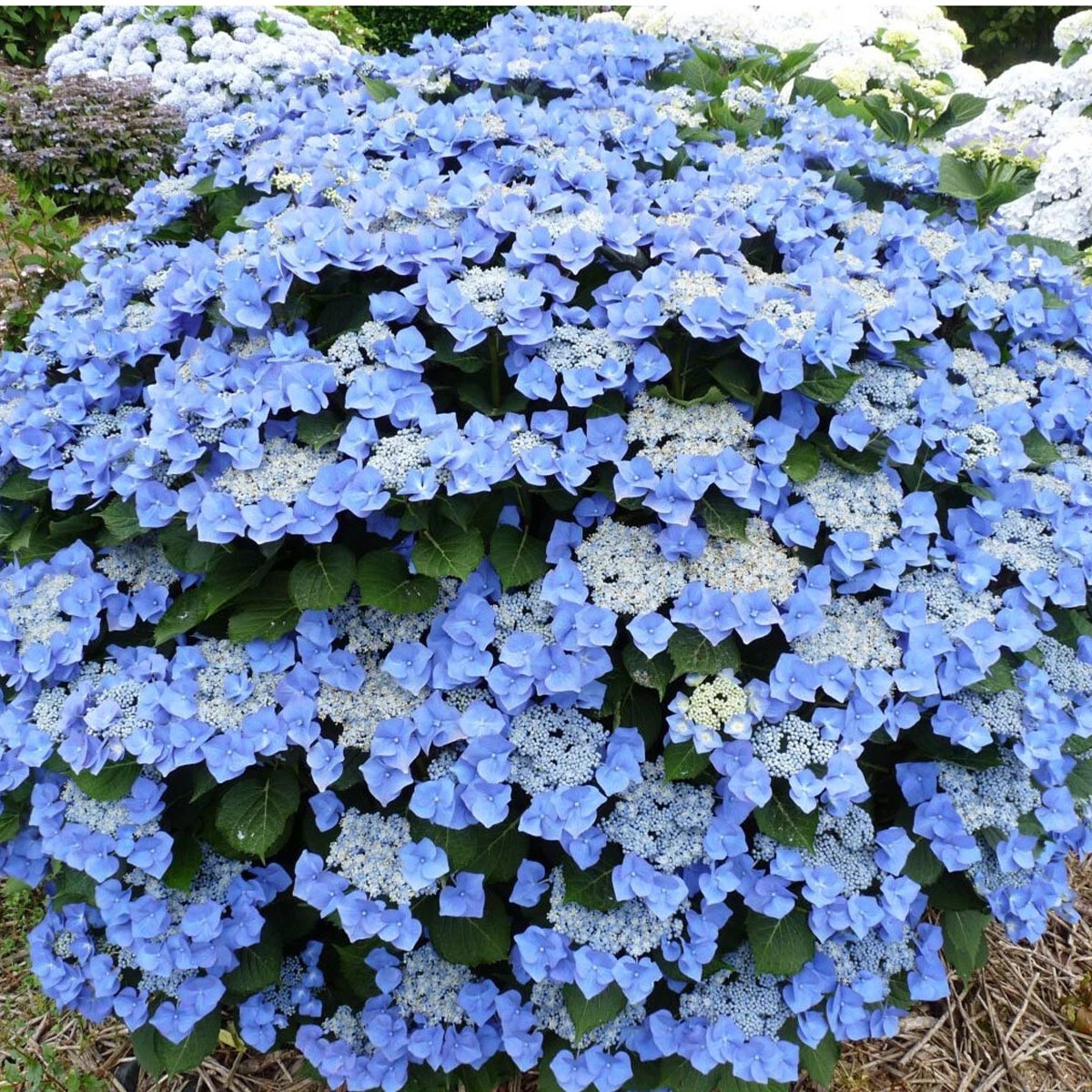
- Image 4: A hydrangea blaumeise flower in a vase. The flower is a stunning centerpiece for a table or a shelf.
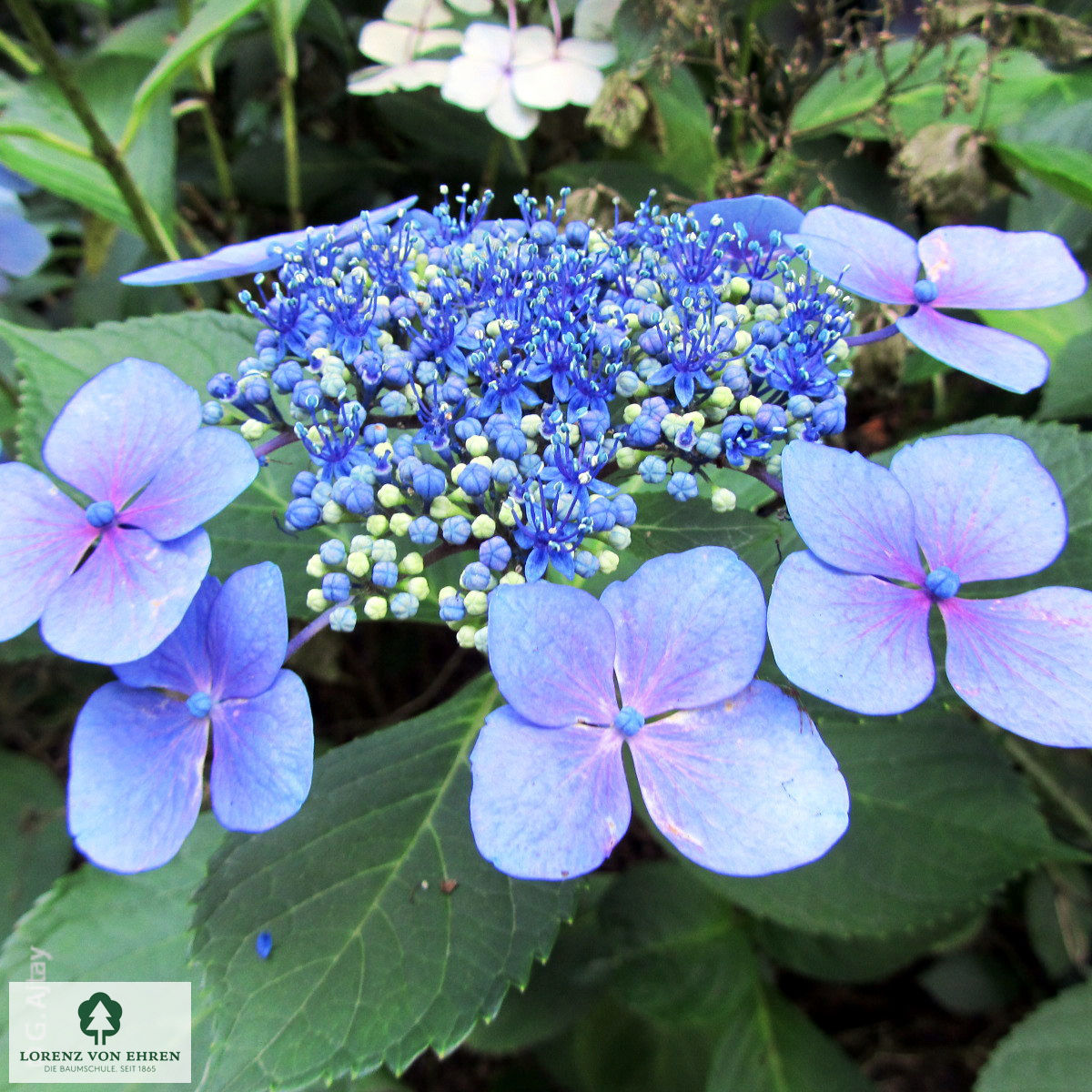
- Image 5: A hydrangea blaumeise flower in a meadow. The flower is surrounded by wildflowers, and it adds a touch of beauty to the meadow.

Post a Comment for "The Bluebird Of Hydrangeas: How To Grow And Care For Hydrangea Blaumeise"