The Ultimate Guide To Companion Planting For Berries
The Ultimate Guide to Companion Planting for Berries
Berries are a delicious and nutritious addition to any garden. They are also relatively easy to grow, but there are a few things you can do to help them thrive. One of the most important things is to choose the right companion plants.
Companion planting is the practice of planting different types of plants together in a way that benefits both plants. There are many different benefits to companion planting, including:
- Increased pollination
- Reduced pest and disease problems
- Improved soil health
- Increased yields
When choosing companion plants for berries, there are a few things to keep in mind. First, you need to consider the needs of the berry plants. Berries need full sun, well-drained soil, and regular water. You also need to consider the size of the berry plants. Some berry plants, such as raspberries, can grow quite large. You need to make sure that you have enough space for the plants to grow and spread.
Once you have considered the needs of the berry plants, you can start to choose companion plants. There are many different plants that can be good companions for berries. Some of the best companion plants for berries include:
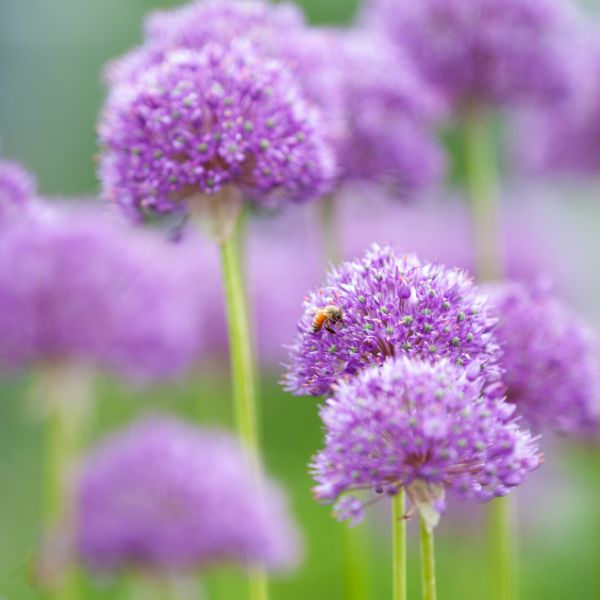
- Allium: Alliums, such as garlic and onions, help to repel pests and diseases. They also help to improve the flavor of berries.
- Borage: Borage attracts pollinators, such as bees and butterflies. It also helps to improve the flavor of berries.
- Clover: Clover helps to improve the nitrogen content of the soil. This is beneficial for berry plants, which are heavy feeders.
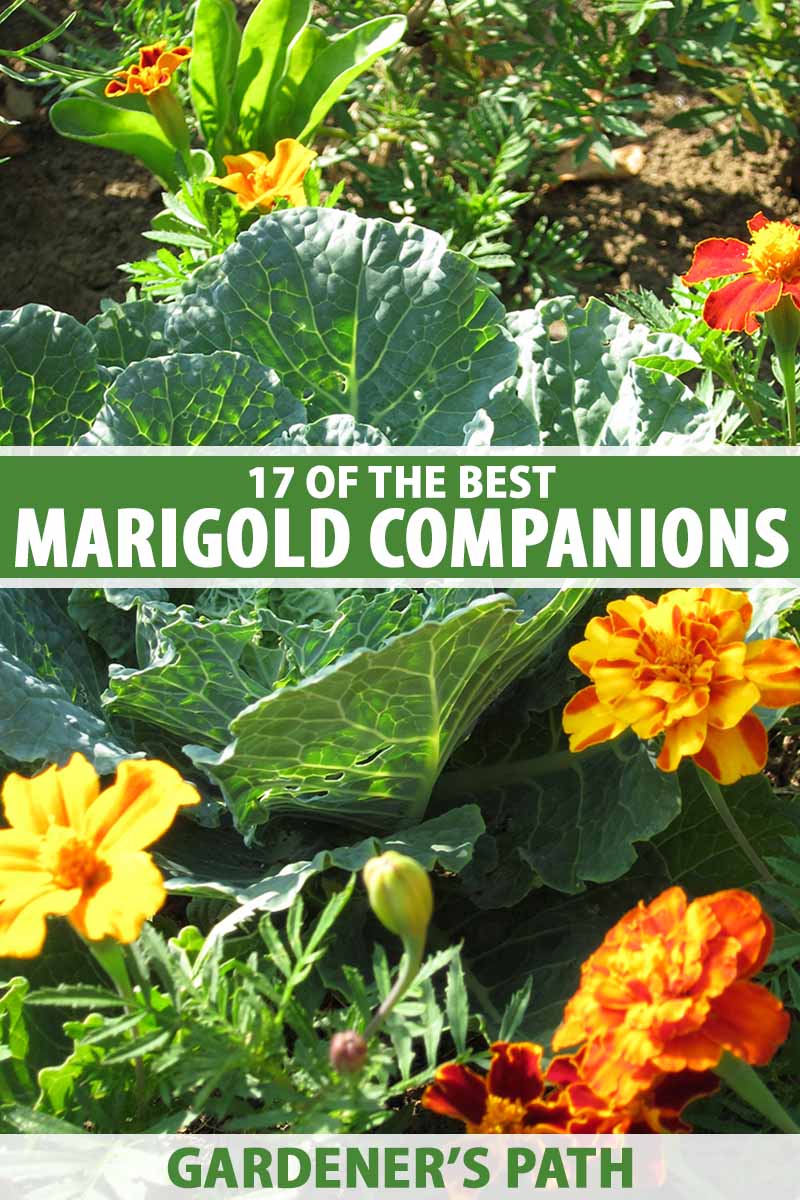
- Marigolds: Marigolds help to repel pests, such as nematodes and aphids. They also help to improve the drainage of the soil.
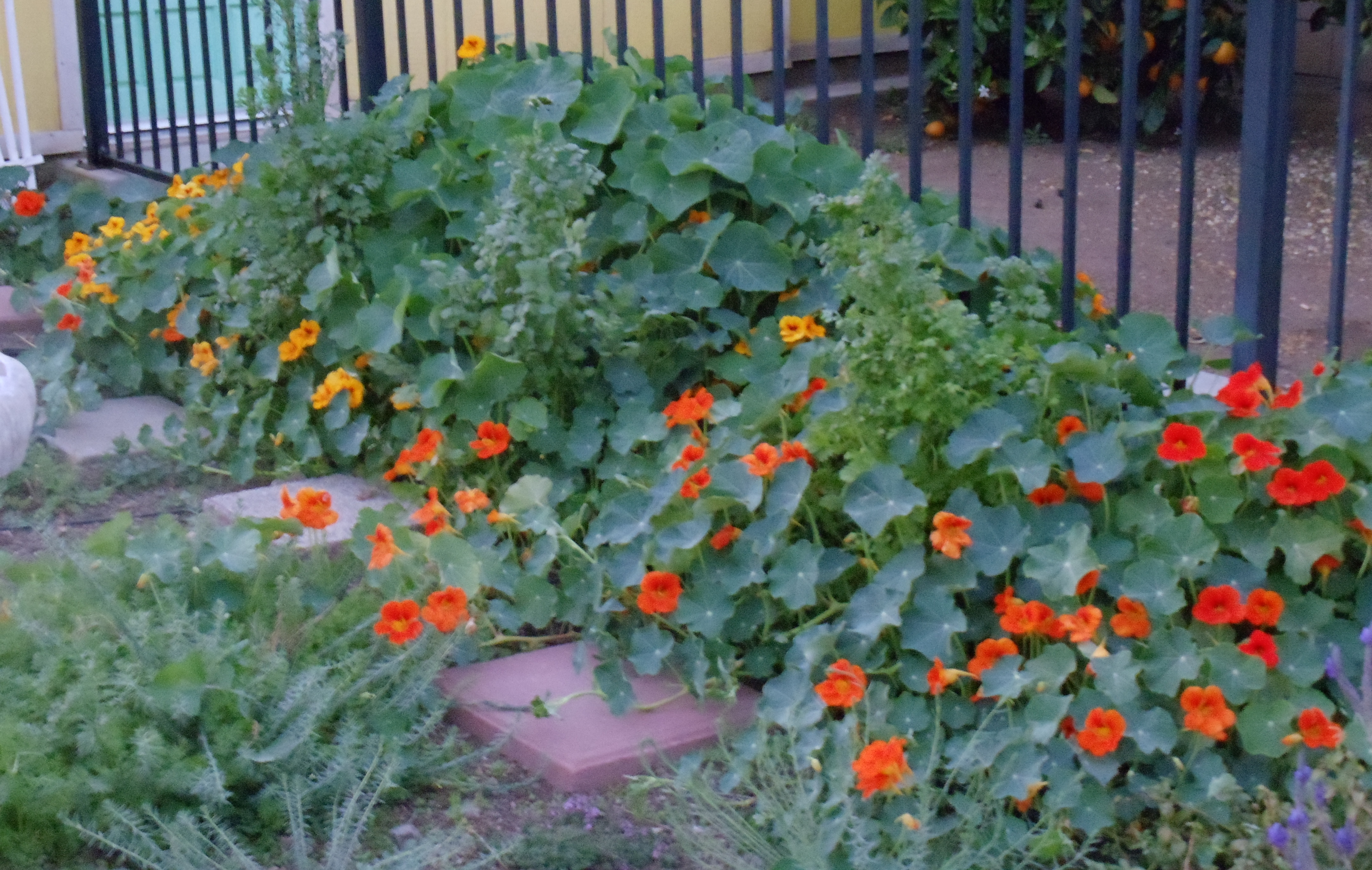
- Nasturtiums: Nasturtiums attract pests, such as aphids and spider mites. They also help to improve the flavor of berries.
- Parsley: Parsley helps to attract pollinators and improve the flavor of berries. It also helps to deter slugs and snails.
- Potatoes: Potatoes help to suppress weeds and improve the drainage of the soil. They also help to attract beneficial nematodes that help to control pests.
- Sunflowers: Sunflowers help to attract pollinators and improve the pollination of berries. They also help to shade the soil and prevent it from drying out.
These are just a few of the many different plants that can be good companions for berries. When choosing companion plants, it is important to consider the specific needs of the berry plants and the plants that you have available.
In addition to choosing the right companion plants, there are a few other things you can do to help your berry plants thrive. These include:
- Water your berry plants regularly. Berries need consistent moisture to produce their best fruit.
- Fertilize your berry plants regularly. Berries are heavy feeders, so they need regular fertilization.
- Mulch around your berry plants. Mulch helps to keep the soil moist and suppress weeds.
- Prune your berry plants regularly. Pruning helps to keep the plants healthy and productive.
By following these tips, you can help your berry plants thrive and produce a bountiful harvest.
Are you looking for ways to improve the yield and health of your berry plants? If so, you should consider companion planting. Companion planting is the practice of planting different types of plants together that benefit each other. There are many different companion plants that can be beneficial for berries, but some of the most popular include:
- Evergreens: Evergreens can provide shade and shelter for berry plants, which can help to protect them from pests and diseases.
- Herbs: Herbs like basil, thyme, and mint can attract beneficial insects to the garden, which can help to control pests. They can also help to improve the flavor of berries.
- Groundcovers: Groundcovers like strawberries and creeping thyme can help to suppress weeds and improve the drainage around berry plants.
If you're interested in learning more about companion planting for berries, I recommend visiting Gardenia Inspiration. This website has a comprehensive guide to companion planting, including information on the best companion plants for specific types of berries.
FAQ of companion plants for berries
Question 1: What are some good companion plants for berries?
Answer: There are many good companion plants for berries, but some of the most popular include:
- Asparagus: Asparagus helps to repel asparagus beetles, which can be a major pest for berries.
- Basil: Basil helps to deter pests such as aphids and whiteflies. It also attracts pollinators, which can help to improve fruit production.
- Borage: Borage attracts pollinators and helps to repel pests such as cabbage moths. It also has nectar that can help to attract beneficial insects, such as ladybugs.
- Clover: Clover helps to improve the nitrogen content of the soil, which can benefit berries. It also helps to suppress weeds.
- Dill: Dill helps to repel pests such as carrot flies and cabbage moths. It also attracts pollinators.
Question 2: What are some plants that should not be planted near berries?
Answer: There are a few plants that should not be planted near berries, as they can compete for nutrients or water, or attract pests. These plants include:
- Cabbage family plants: This includes plants such as broccoli, Brussels sprouts, cabbage, cauliflower, collard greens, kale, kohlrabi, and mustard greens. These plants can attract pests that can also damage berries.
- Melons: Melons can compete with berries for water and nutrients. They can also attract pests such as cucumber beetles.
- Potatoes: Potatoes can harbor a fungus that can cause verticillium wilt in strawberries.
Question 3: What are the benefits of companion planting with berries?
Answer: There are many benefits to companion planting with berries, including:
- Improved pest control: Companion plants can help to repel pests or attract beneficial insects that can help to control pests.
- Increased pollination: Companion plants can attract pollinators, which can help to increase fruit production.
- Improved soil health: Companion plants can help to improve the soil health by fixing nitrogen, suppressing weeds, or providing other benefits.
- Enhanced flavor: Some companion plants can enhance the flavor of berries.
Question 4: How far apart should companion plants be planted?
Answer: The distance between companion plants will vary depending on the specific plants involved. However, as a general rule, companion plants should be spaced at least 18 inches apart. This will give the plants enough room to grow and thrive.
Question 5: What is the best time of year to plant companion plants for berries?
Answer: The best time of year to plant companion plants for berries is in the spring or fall. This will give the plants plenty of time to establish themselves before the growing season begins.
Image of companion plants for berries
- Nasturtiums: Nasturtiums are a great companion plant for berries because they attract pollinators and help to deter pests. They also add a splash of color to the garden.
- Marigolds: Marigolds are another great companion plant for berries. They help to repel nematodes, which can be a problem for berry plants.
- Chives: Chives are a good companion plant for berries because they help to improve the flavor of the berries. They also help to repel pests.

- Allium species: Allium species, such as garlic and onions, are good companion plants for berries because they help to repel pests.
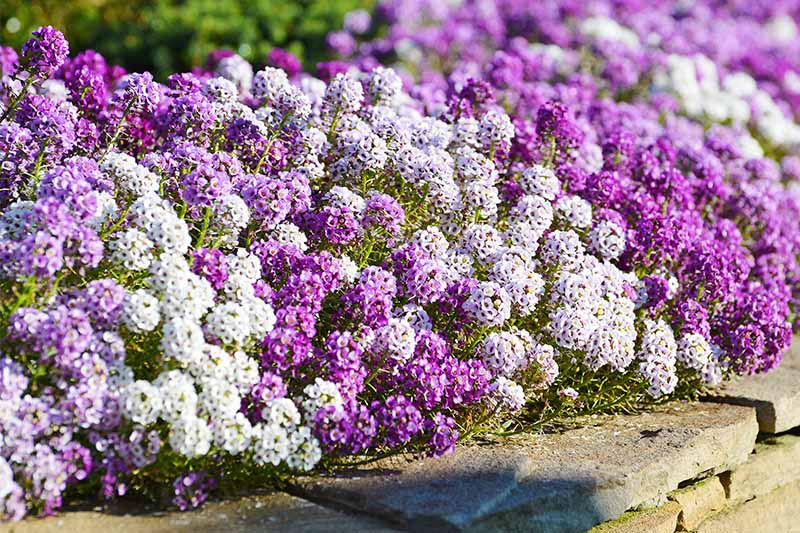
- Sweet Alyssum: Sweet alyssum is a good companion plant for berries because it attracts pollinators and helps to deter pests.

Post a Comment for "The Ultimate Guide To Companion Planting For Berries"